Call Center Outsourcing for SaaS Companies: Support Models That Scale
Call center outsourcing for SaaS companies means partnering with a specialized provider to handle customer and technical support for a software product — from onboarding and Tier 1 questions to deeper technical troubleshooting. For subscription businesses, this is not a back-office cost decision; support directly protects recurring revenue, because every unresolved ticket or slow response is a cancellation risk. The right outsourcing model lets a SaaS company scale support during hypergrowth, deliver fast multichannel coverage, and reduce churn — without building a large internal team. This guide explains why SaaS support is different, the tiered models that work, what to look for in a partner, and how to scale support alongside your product.
Key Takeaways
- In SaaS, support is a revenue function, not a cost center — it directly affects churn, retention, and net revenue retention.
- SaaS support is fundamentally different from transactional call-center work: the product changes constantly and customers are often technical.
- A tiered model (Tier 0 self-service through Tier 2/3 technical troubleshooting) is the standard way to structure outsourced SaaS support.
- The right partner ramps quickly during launches and funding-driven growth, integrates with your tech stack, and maintains product knowledge.
- Look for security credentials (such as SOC 2) that help you clear enterprise procurement, plus a pilot before any long-term commitment.
Why SaaS Support Is Different From Traditional Call Center Work
Treating SaaS support like a generic call-center contract is one of the most common and costly mistakes software leaders make. The difference is structural, not cosmetic.
Traditional call-center work is largely transactional: a customer calls, the agent follows a script or decision tree, and the issue is resolved or escalated against a relatively static knowledge base. SaaS support is the opposite. Your product ships updates frequently — sometimes every two weeks — so the knowledge base is constantly moving. Your customers are often technical themselves (developers, operations managers, analysts), and they can tell instantly whether the person helping them actually understands the product. The questions aren’t “where is my order” but “why does your API return a 403 with this header” or “how do I configure a webhook for a custom event.”
Most importantly, the business model changes the stakes. In a subscription business, a dissatisfied customer doesn’t just complain — they cancel. That makes support a direct lever on the metrics that determine SaaS valuation: churn, retention, and recurring revenue.
Support Is a Revenue Function in SaaS
In a subscription model, customer service isn’t about closing tickets — it’s about protecting and expanding recurring revenue. The first 30 days of a customer’s lifecycle often decide whether they become a long-term subscriber or an early churn statistic, which is why onboarding support matters as much as issue resolution.
A capable outsourcing partner contributes to revenue in several ways: guiding new users through setup to reduce early churn, resolving issues fast enough that frustration never escalates to cancellation, identifying at-risk or high-value accounts for proactive outreach, and freeing your internal team to focus on complex or strategic work. The shift from reactive ticket-answering to proactive, lifecycle-aware support is what separates a true SaaS support partner from a generic call center.
The Tiered SaaS Support Model
Outsourced SaaS support is almost always structured in tiers, so that each type of issue is handled at the right level of expertise and cost. A typical model looks like this:
- Tier 0 — Self-service. Knowledge base, help center, chatbots, and AI assistants that deflect common questions before they ever reach an agent.
- Tier 1 — General support. Account questions, billing, basic how-to guidance, and common issues handled by trained agents following established playbooks. This is the highest-volume tier and the most common starting point for outsourcing.
- Tier 2 — Technical troubleshooting. Integration issues, API debugging, data discrepancies, and complex configuration. These agents need a genuinely different skill set — comfort reading API documentation, understanding webhooks and OAuth flows, and using browser developer tools to diagnose issues.
- Tier 3 — Engineering escalation. The deepest product and engineering issues, usually retained in-house, with the outsourced team handling clean escalation and reproduction steps.
Most SaaS companies begin by outsourcing Tier 0 and Tier 1 to free internal staff, then extend to Tier 2 as the partner builds product expertise. Tier 2 carries a longer ramp because agents must develop real product fluency, so plan for that runway.
When Should a SaaS Company Outsource Support?
Outsourcing makes the most sense at specific inflection points rather than as a blanket default. Consider it when:
- Ticket volume is outgrowing your team. Support backlogs and rising response times are early warning signs of churn risk.
- You’re scaling fast. Product launches, funding rounds, and rapid user growth create volume spikes that are slow and expensive to staff internally.
- You need coverage you can’t easily staff. 24/7, weekend, or multilingual support is hard and costly to build in-house but standard for an outsourcing partner.
- Your internal experts are stuck on Tier 1. When skilled staff spend their time on password resets and basic how-tos, outsourcing the routine tier frees them for high-value work.
It may be premature to outsource if you’re still defining your support model through experimentation and haven’t yet documented repeatable processes — in that case, stabilize first, then outsource.
What to Look for in a SaaS Support Outsourcing Partner
Not every provider can support a software product well. The right partner for SaaS specifically should offer:
- Technical aptitude and the right talent pool. Agents capable of Tier 2 work — reading documentation, understanding APIs and integrations — which a provider staffing mainly retail or transactional accounts won’t have.
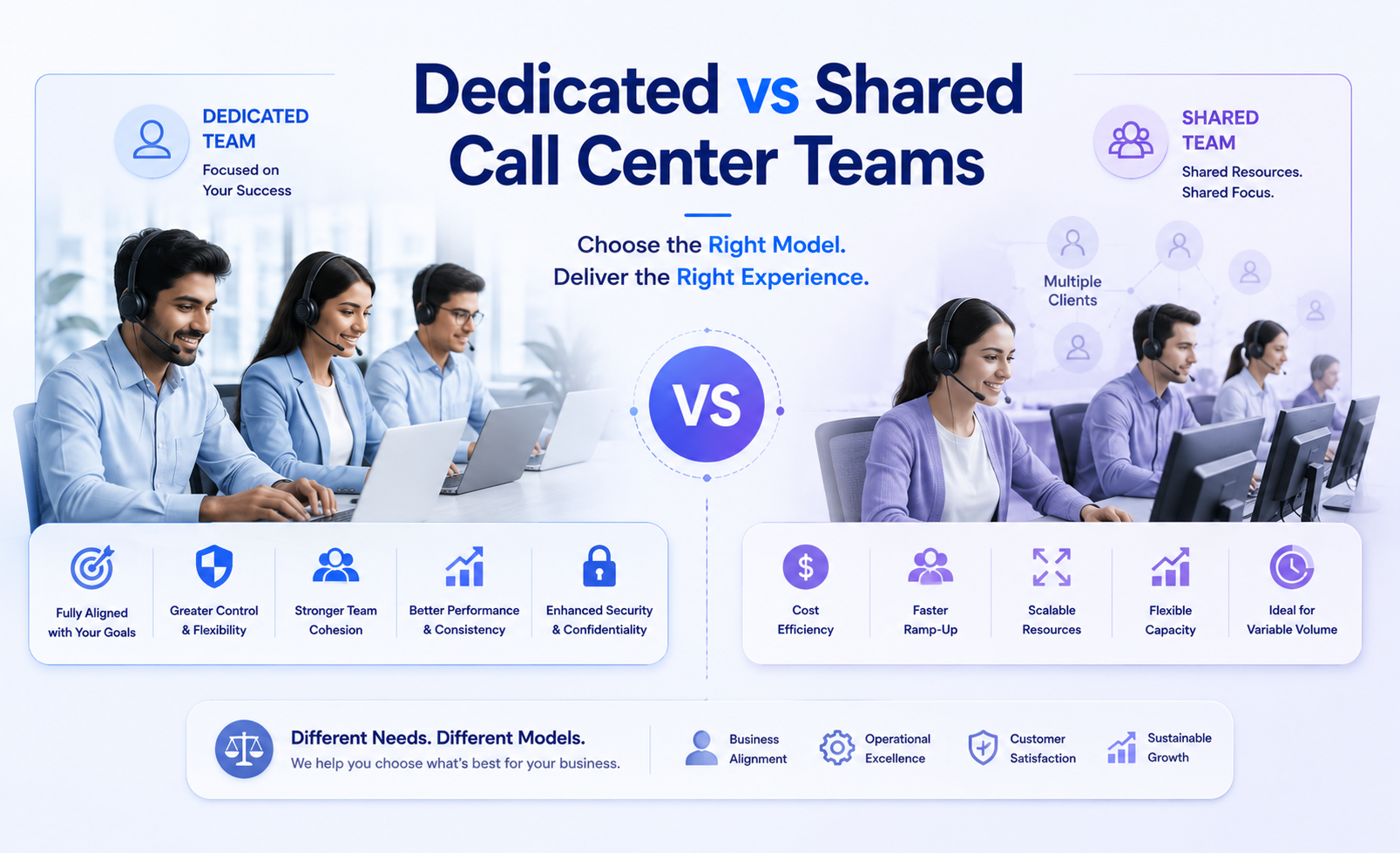
- Fast, flexible ramping. The ability to scale up quickly for launches or growth spurts and adjust as your user base changes, ideally with a dedicated team that can expand in stages.
- Tech-stack integration. Hands-on experience with the helpdesk and CRM tools you already use, so the partner plugs into your workflows rather than forcing a parallel system.
- Strong security and compliance posture. Credentials such as SOC 2 and GDPR readiness help you satisfy enterprise procurement and shorten enterprise sales cycles.
- Omnichannel capability. Consistent support across email, live chat, phone, and in-app, with a unified customer view so context never gets lost between channels.
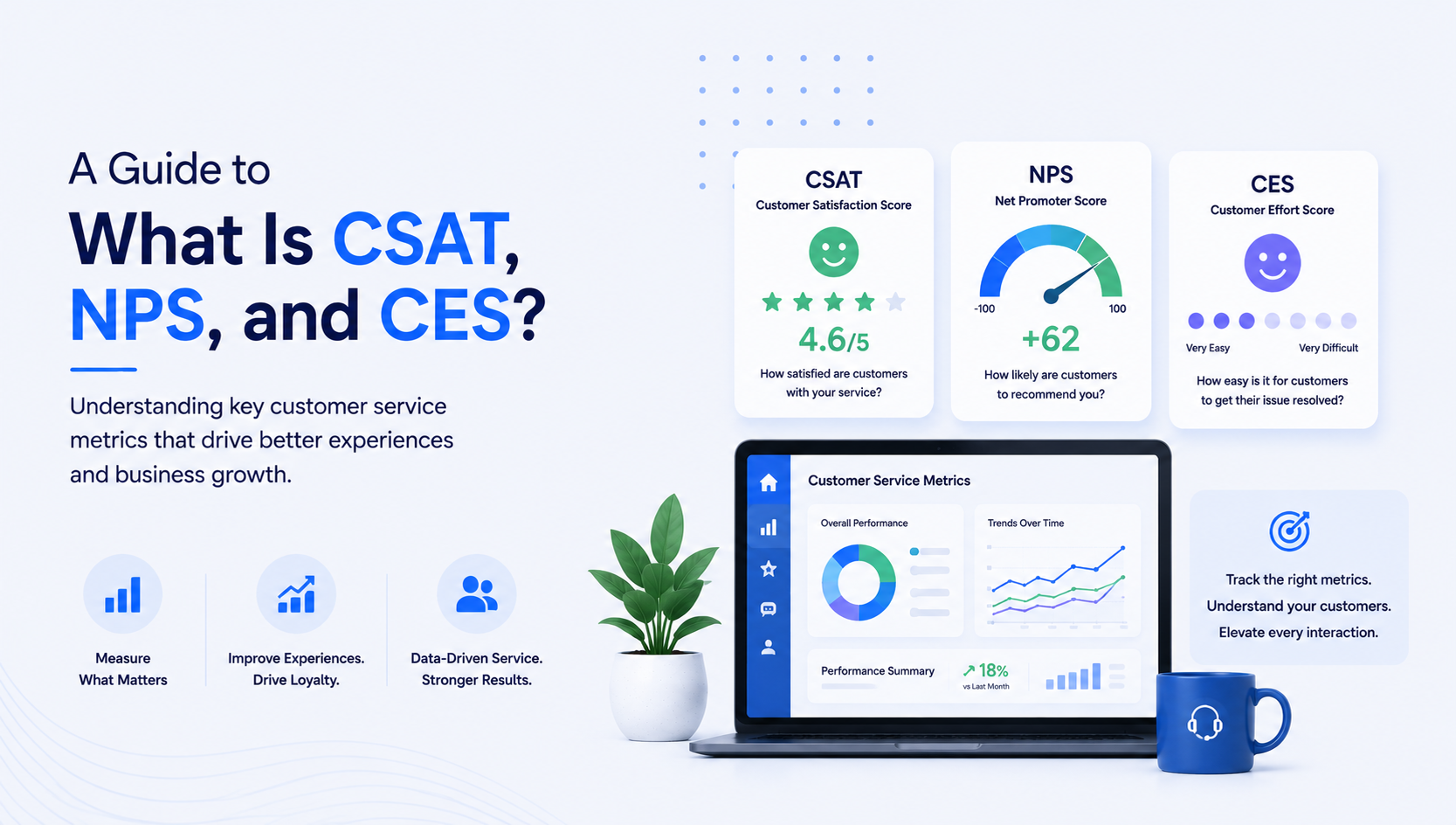
- Outcome-based SLAs and a pilot option. Commitments tied to metrics that matter (CSAT, first response time, resolution time) and a willingness to prove fit through a paid pilot before a long-term contract.
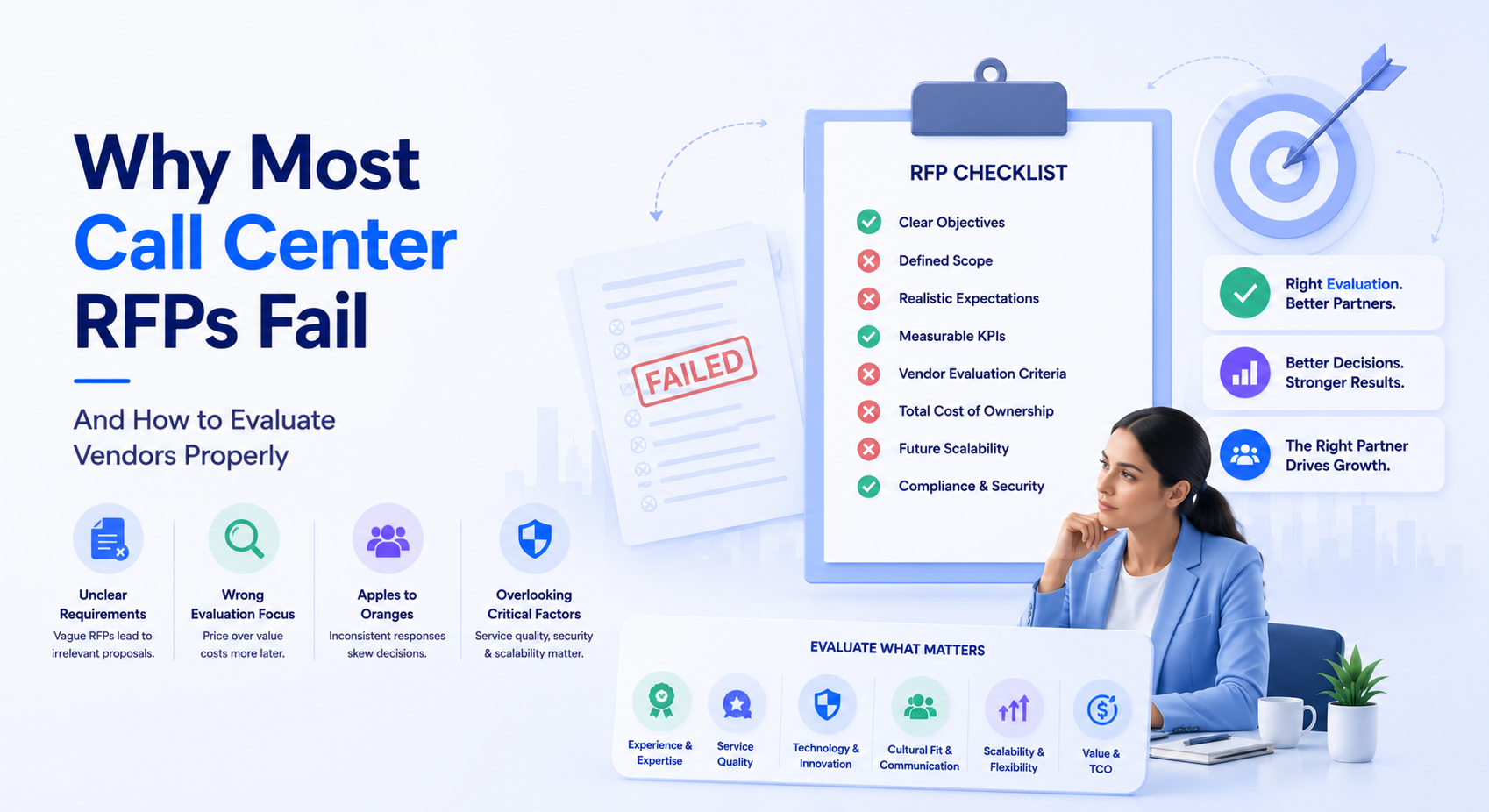
For a complete evaluation framework, see our guide on how to choose a call center outsourcing partner.
Can SaaS Technical Support Be Outsourced Offshore?
Yes — including Tier 2 technical work — provided you choose a provider with genuine technical talent and a deliberate ramp plan. The common objection is whether an offshore team can handle product-specific technical support, but the deciding factor is the provider’s talent and training, not its location. India in particular has a deep pool of technically educated, English-speaking graduates and a long track record in IT and software support, which makes it well suited to both high-volume Tier 1 and skilled Tier 2 work.
The keys to making it work are the same regardless of geography: invest in product training during onboarding, give the team access to your documentation and engineering escalation paths, and allow a realistic ramp period for Tier 2 fluency. A mature provider will build this into the engagement rather than promising instant expertise.
How to Scale Outsourced Support as You Grow
The advantage of outsourcing is elastic capacity, but it only pays off with the right structure. Start with a clearly scoped tier (usually Tier 0–1), document your processes and brand voice so they transfer cleanly, and establish shared knowledge bases and unified CRM access from day one. As the partner builds product expertise, expand their scope to Tier 2 and additional channels or languages. Maintain regular calibration so quality stays consistent as volume grows, and review SLAs against your actual churn and CSAT data so support keeps tracking to revenue outcomes rather than just ticket counts.
How Octopus Tech Supports Technology Companies
Octopus Tech has delivered outsourced voice and non-voice support from India since 2011, including technical support services and chat support for technology-driven businesses. With a large pool of technically capable, English-speaking agents and multichannel coverage, Octopus Tech is positioned to handle both high-volume Tier 1 support and skilled technical troubleshooting. If you’re weighing where to base your support operation, our comparison of nearshore, offshore, and onshore models can help you decide, and our guide to the AI tools every call center should be using covers the automation layer that powers modern Tier 0 support.
Frequently Asked Questions
What is SaaS customer support outsourcing?
It’s the practice of partnering with an external provider to handle some or all of your SaaS product’s customer support — from onboarding and billing questions to technical troubleshooting. Unlike generic outsourcing, it requires agents who understand software products, user behavior, and the role support plays in subscription retention.
Why is SaaS support different from regular call center support?
SaaS products change constantly, customers are often technical, and the subscription model means a dissatisfied customer can simply cancel. That makes support a direct driver of churn and recurring revenue, rather than a transactional, script-driven function with a static knowledge base.
Can technical (Tier 2) SaaS support be outsourced?
Yes. Tier 2 work — API debugging, integration troubleshooting, complex configuration — can be outsourced to a provider with genuinely technical agents and a proper product-training and ramp plan. The deciding factor is the provider’s talent and onboarding, not its location.
When should a SaaS company outsource customer support?
The best time is when ticket volume is outgrowing your team, you’re scaling rapidly through launches or funding, you need 24/7 or multilingual coverage you can’t easily staff, or your skilled internal staff are stuck handling routine Tier 1 issues. If your support model is still being defined, stabilize your processes first.
How does outsourcing SaaS support affect churn and revenue?
Done well, it reduces churn by guiding onboarding, resolving issues before frustration leads to cancellation, and enabling proactive outreach to at-risk accounts. Because support directly influences retention and net revenue retention in subscription businesses, strong outsourced support protects and can grow recurring revenue.
What should I look for in a SaaS support outsourcing partner?
Prioritize technical aptitude, fast and flexible ramping, integration with your existing tech stack, a strong security posture (such as SOC 2 for enterprise procurement), omnichannel capability, and outcome-based SLAs. Always run a paid pilot before committing to a long-term contract.
How are outsourced SaaS support teams structured?
Most use a tiered model: Tier 0 self-service (knowledge base, chatbots), Tier 1 general support (billing, how-to, common issues), Tier 2 technical troubleshooting (APIs, integrations, configuration), and Tier 3 engineering escalation, which is usually retained in-house. Companies typically outsource Tier 0–1 first, then extend to Tier 2.
Scaling SaaS Support Without Scaling Headcount
For a subscription business, support is one of the highest-leverage investments you can make — it protects the recurring revenue your valuation depends on. Outsourcing lets you scale that capability elastically through launches and growth, deliver the fast, multichannel, technically competent support your users expect, and keep your internal experts focused on the work only they can do. The key is choosing a partner with real technical talent, structuring support in tiers, and treating SLAs as a reflection of churn and CSAT rather than just ticket volume.
Octopus Tech provides outsourced customer and technical support from India for technology and SaaS-driven businesses. If you’re exploring how to scale support without scaling headcount, get in touch for a no-obligation conversation about your product and support needs.