10 Best Practices for Healthcare Call Center

Healthcare call centers are an integral part of ensuring patient safety and satisfaction. Being the first point of contact between patients and a healthcare organization, the call center handles concerns and inquiries. By following industry best practices for healthcare call centers, your organization can address patient needs better and deliver exceptional care.
1. Prioritize Patient-Centric Communication
Customers are more interested in effective and compassionate communication. This kind of communication fosters trust in your organization and enhances patient satisfaction. Given the sensitivity of healthcare interaction, your call agents must have essential skills such as active listening, clear explanations, and empathy to engage patients meaningfully. It is important that the agents use a calm, professional tone throughout the call and structure the conversations for efficiency and clarity.
2. Prioritize HIPAA Compliance
When it comes to healthcare call centers, protecting patient information is critical to meeting legal standards. By being compliant with HIPAA, your organization reduces the risk of data breaches, avoids costly penalties, and builds patient confidence. To ensure compliance, train all agents regularly on secure data handling and adherence to HIPAA standards.
3. Continuous Training Programs
Comprehensive training of the agents is needed to make sure they handed calls with empathy and expertise. The agents gain essential skills needed to refine their communication skills a stay current with best practices. In addition to HIPAA compliance, training should also cover emergency protocols, medical terminology, and documentation best practices. This ensures that the agents are fully equipped to respond to all kinds of patient needs and offer proper support.
4. Clear Protocols for Urgent and Non-Urgent Calls
With clear protocols, agents can swiftly determine call urgency. This helps that emergency call receives immediate attention while non-urgent calls can be managed efficiently. One of the ways of establishing clear protocols is to provide standardized scripts that can help agents assess the nature of each call accurately. The scripts also help to reduce errors and improve overall patient outcomes.
5. Clear Protocols and Escalation Procedures
Establishing clearly defined protocols and escalation procedures ensures that agents handle patient calls professionally and consistently. The integration of triage guidelines, standardized scripts, and escalation processes can help agents manage all types of calls with confidence, no matter the situation. This also includes providing clear guidelines for the after-hours and follow-up scenarios that require extra attention.
6. Maintain Comprehensive Patient Records
Keeping patient records accurate and up-to-date allows agents to provide personalized and informed responses. They can refer to patient records to address specific needs, minimizing the risk of errors while supporting high-quality patient interactions. Agents can also address the patients by name and reference their history, which can further enhance their level of satisfaction.
7. Utilize Advanced Technology Solutions
Advanced technologies such as customer relationship management (CRM) tools, interactive voice response (IVR) systems, and artificial intelligence (AI) support can be used to improve call routing, enhance call quality, and streamline data management. When implemented as part of the healthcare call center operations, agents can access patient information quickly, provide timely assistance to patients, and reduce errors.
8. Implement a Quality Assurance Program
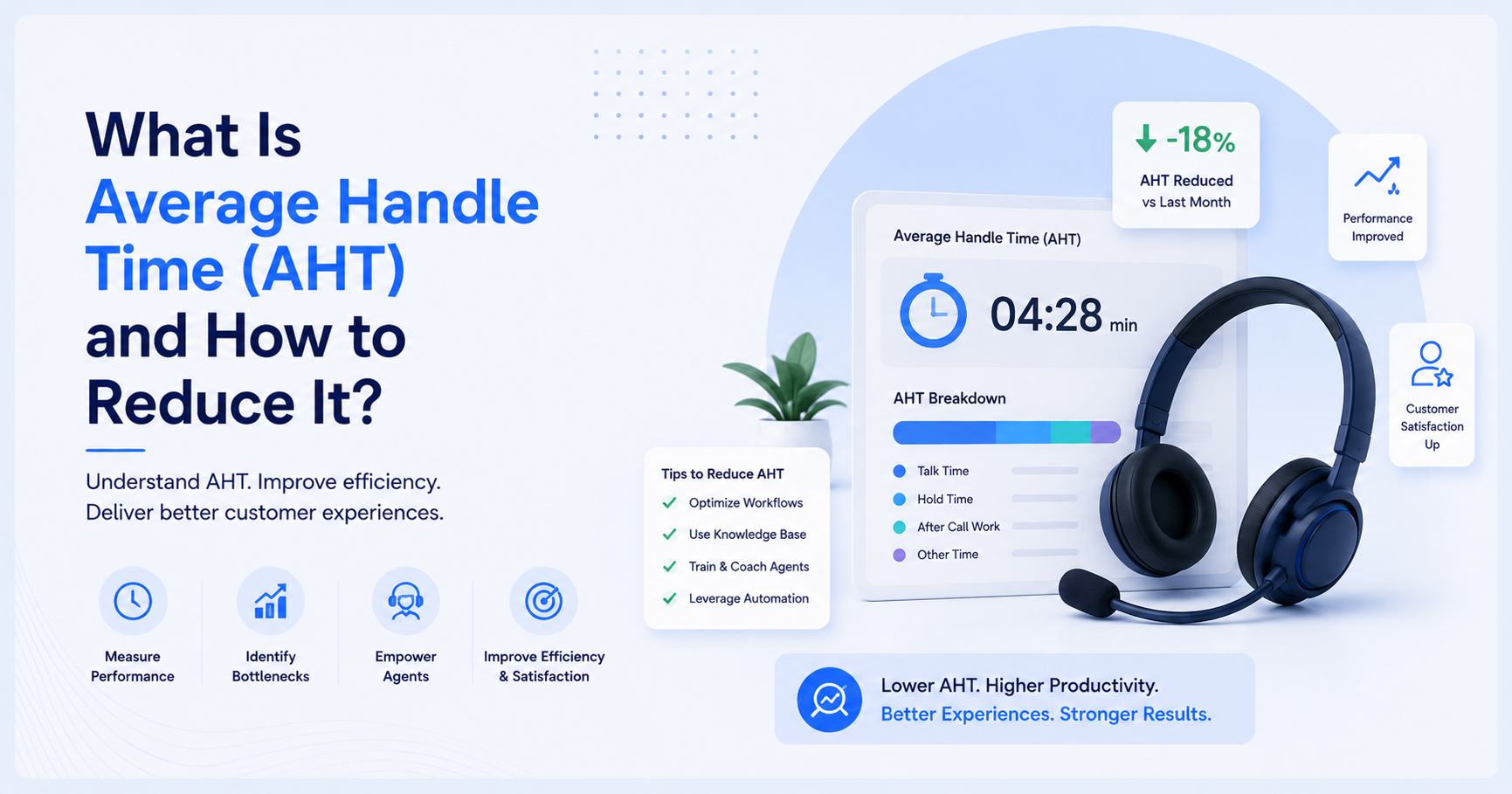
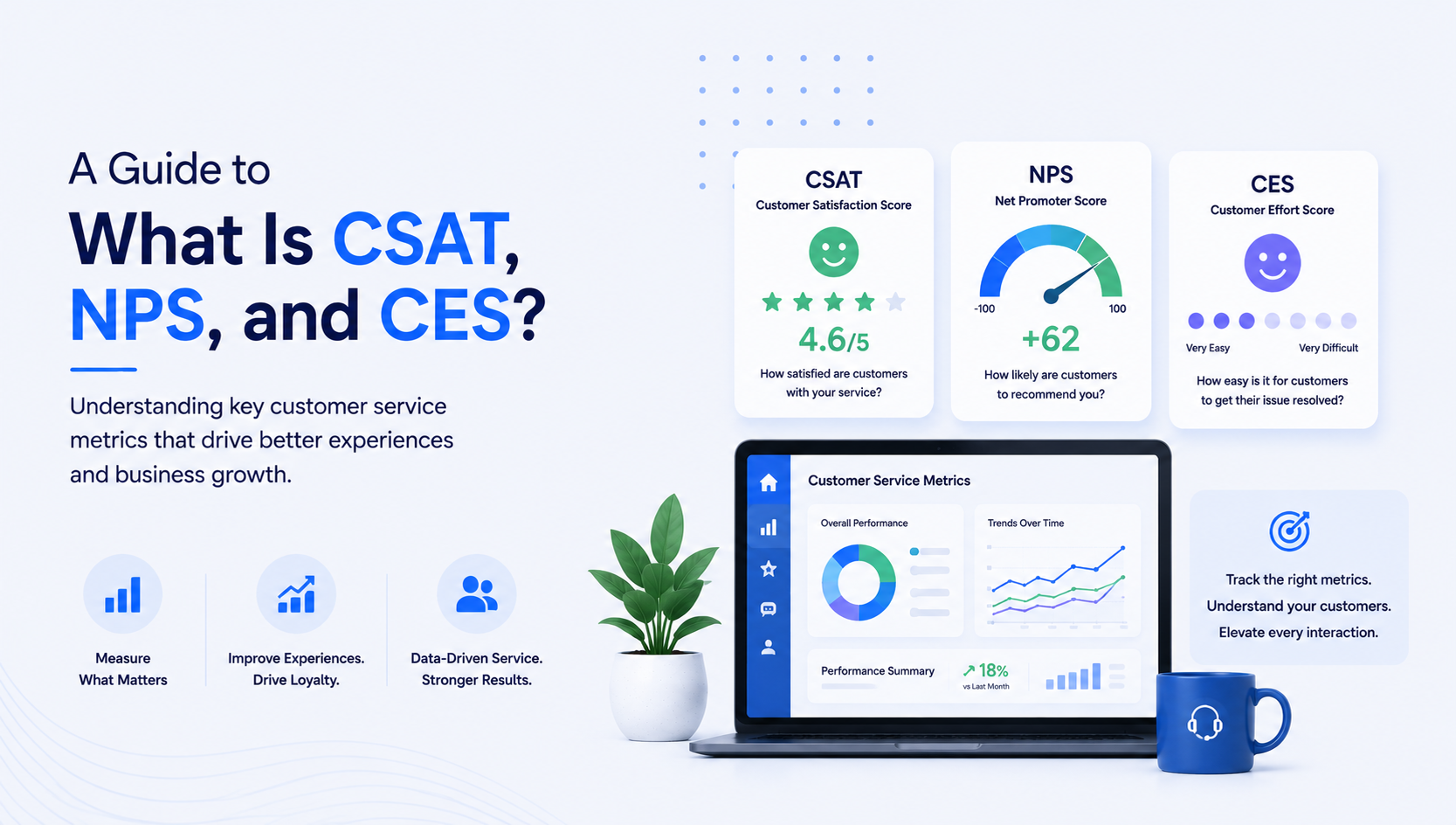
Implementing a quality assurance program for your healthcare call center ensures that high standards are met and maintained. This may include the use of performance metrics, regular call audits, and feedback from patients. When done right, quality assurance helps to identify strengths within the call center and areas of improvement.
9. Provide Call Agents with Access to Medical Support
When agents have access to medical support, they can manage complex calls more effectively. If an agent is responding to a situation that requires medical knowledge, they can easily consult with healthcare professionals. This ensures that the patient receives accurate information on time and is guided accordingly.
10. Outsource Healthcare Call Center Services
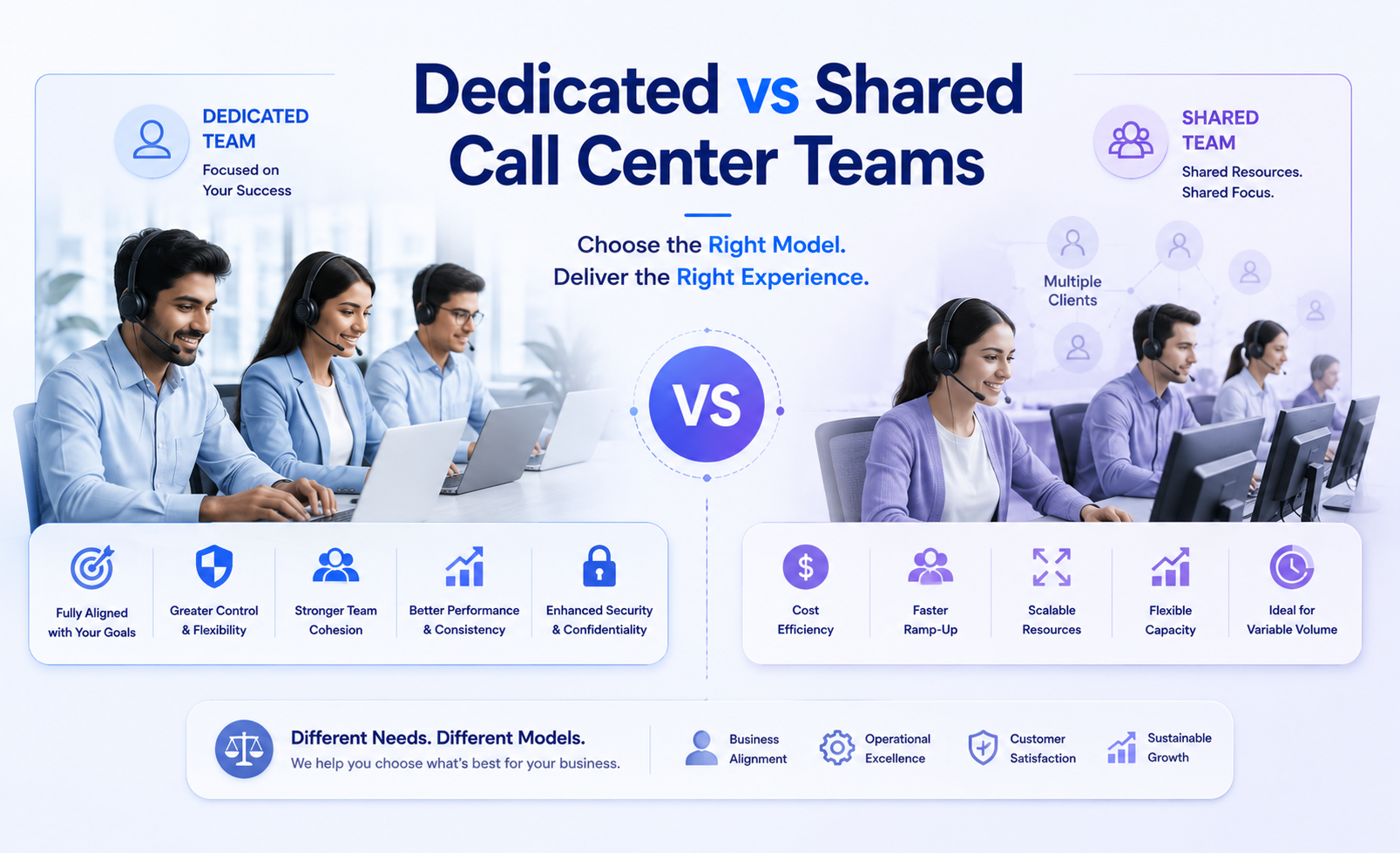
To enhance the quality of customer support services offered by your healthcare organization, you can outsource the call center services. A dedicated call center provider like Octopus Tech has a team of trained professionals who can handle all types of patient interactions with skills and compliance. With 24/7 availability, HIPAA-compliant call handling, and access to experienced agents trained in medical protocols, your organization will see improved patient satisfaction and operational efficiency.
Bottom Line
Healthcare call centers are an integral aspect of delivering exceptional patient care. They bridge the gap between patients and healthcare providers, ensuring the needs of the customers are well addressed. To meet the satisfy the needs of the patients, organizations need to employ specific strategies that enhance the quality of call centers. Get in touch with us today if you want to revamp the quality of your call centers and serve your customer needs better.