Outsourced Customer Support for D2C & Subscription Brands
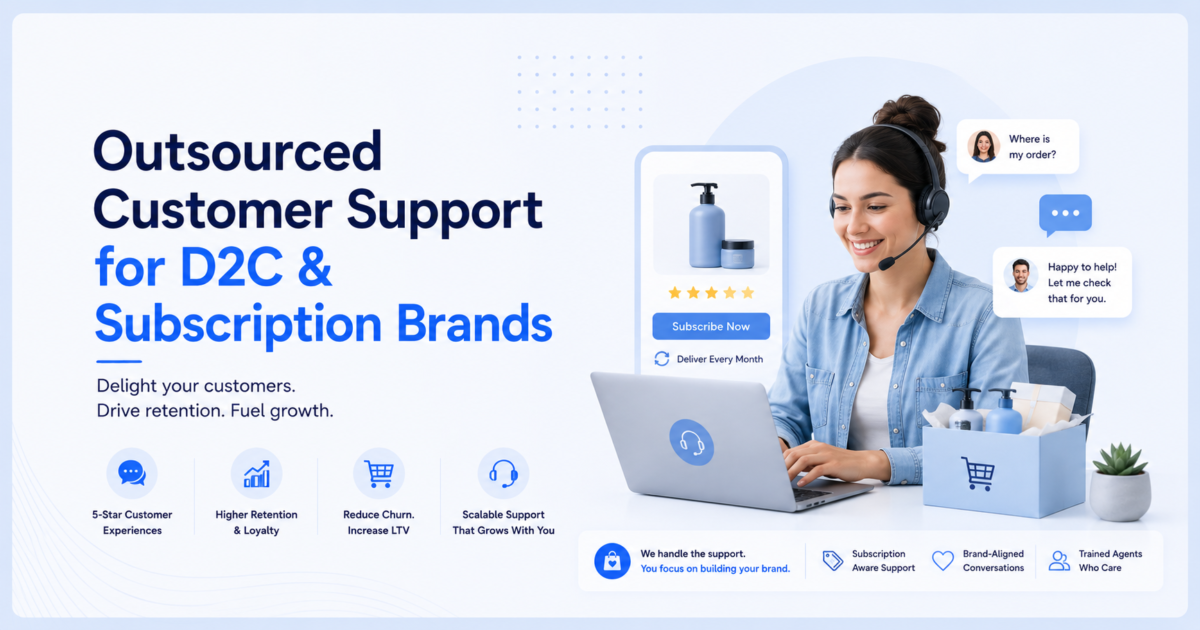
Outsourced customer support for direct-to-consumer (D2C) and subscription brands means partnering with an external team to handle customer interactions — order and delivery questions, returns and refunds, subscription changes, cancellations, and retention conversations — on the brand’s behalf. For these businesses, support is uniquely high-stakes: D2C brands own the entire customer relationship with no retailer in between, and subscription brands live or die by retention, since a single bad support experience can trigger a cancellation that erases all future recurring revenue. Outsourcing lets these brands deliver fast, on-brand, around-the-clock support and absorb seasonal surges without building a large in-house team. This guide explains what makes D2C and subscription support different, what to outsource, and how to choose the right partner.
Key Takeaways
- For D2C brands, support is the brand — there’s no retailer buffer, so every interaction shapes the customer relationship directly.
- For subscription brands, support directly drives retention; resolving issues well prevents the cancellations that destroy recurring revenue.
- Seasonal surges (especially Black Friday/Cyber Monday) make outsourcing especially valuable — flex capacity up for peaks, then back down.
- The right partner works inside your existing tools (helpdesk, subscription platform) and operates seamlessly under your brand voice.
- Judge providers on cost per resolved ticket and CSAT, not just hourly rate, and always start with a defined scope and clear SLAs.
What Is D2C & Subscription Customer Support Outsourcing?
It’s the practice of hiring an external provider to manage some or all of a consumer brand’s customer service — operating as a seamless extension of the in-house team. The outsourced agents use the brand’s own tools (helpdesk, email, chat widget, subscription platform), follow its scripts and brand voice, and work to agreed SLAs for response time, resolution time, and CSAT.
In practice, the brand defines the rules — refund policies, escalation paths, and brand tone — and the provider hires and trains agents on the products, FAQs, workflows, and systems. The brand then monitors performance through regular reporting (ticket volume, response times, CSAT, contact reasons) and ongoing calibration. To the customer, it feels like talking to the brand itself.
Why D2C and Subscription Brands Are Different
Generic ecommerce support advice misses what makes these two models distinct — and they’re distinct from each other, too.
D2C brands own the whole relationship. With no retailer or marketplace in between, the brand controls everything from first click to delivery and beyond — and is solely responsible when something goes wrong. The US D2C ecommerce market has grown rapidly, reaching roughly $213 billion in 2024 according to eMarketer data published by Statista, and that direct relationship is precisely why support quality is inseparable from brand equity. A clumsy refund process or slow reply isn’t a retailer’s problem to absorb — it’s the brand’s.
Subscription brands live on retention. In a recurring-revenue model, the math is unforgiving: acquiring a customer is expensive, and the profit comes from keeping them subscribed over many billing cycles. Support is where retention is won or lost. A cancellation request handled well can become a save (a pause, a downgrade, a resolved complaint); handled badly, it’s lost recurring revenue plus the cost of replacing that customer. This makes subscription support a proactive, retention-focused function, not just reactive ticket-clearing.
Many of these brands also start informally — founders answering emails, product staff handling complaints between other tasks — until volume makes that unsustainable. That inflection point is typically when outsourcing becomes the smart move.
What D2C & Subscription Brands Outsource
Outsourced teams for consumer brands typically handle:
- Order and delivery support — order status, shipping questions, address changes, and delivery issue resolution.
- Returns, refunds, and exchanges — processing under the brand’s policies, a major and recurring volume driver.
- Subscription management — sign-ups, plan changes, skips and pauses, billing questions, and renewals.
- Cancellation and retention conversations — handling cancellation requests with save offers and resolution, a function unique to subscription models.
- Pre-sale and product questions — helping prospective buyers, which directly supports conversion.
- Multichannel coverage — email, live chat, social media, and phone, often around the clock.
- Back-office and peak-season overflow — absorbing volume during sales events without permanent staffing.
Surviving Peak Season: BFCM and Seasonal Surges
One of the strongest reasons consumer brands outsource is the seasonal spike. Events like Black Friday and Cyber Monday (BFCM) can flood a brand with thousands of conversations in a compressed window, overwhelming an in-house team built for normal volume. Building a large internal team for a temporary surge means carrying salary and overhead long after the spike passes.
Outsourcing solves this elegantly: a partner ramps capacity up for the peak and scales it back down afterward, so the brand pays for surge support only when it needs it. The key is planning the ramp in advance — briefing the partner on expected volume, products, and policies before the season starts — so quality holds even at peak. Our guide on getting your call center prepared for Black Friday and Cyber Monday covers this in more detail.
In-House vs. Outsourced Support for Consumer Brands
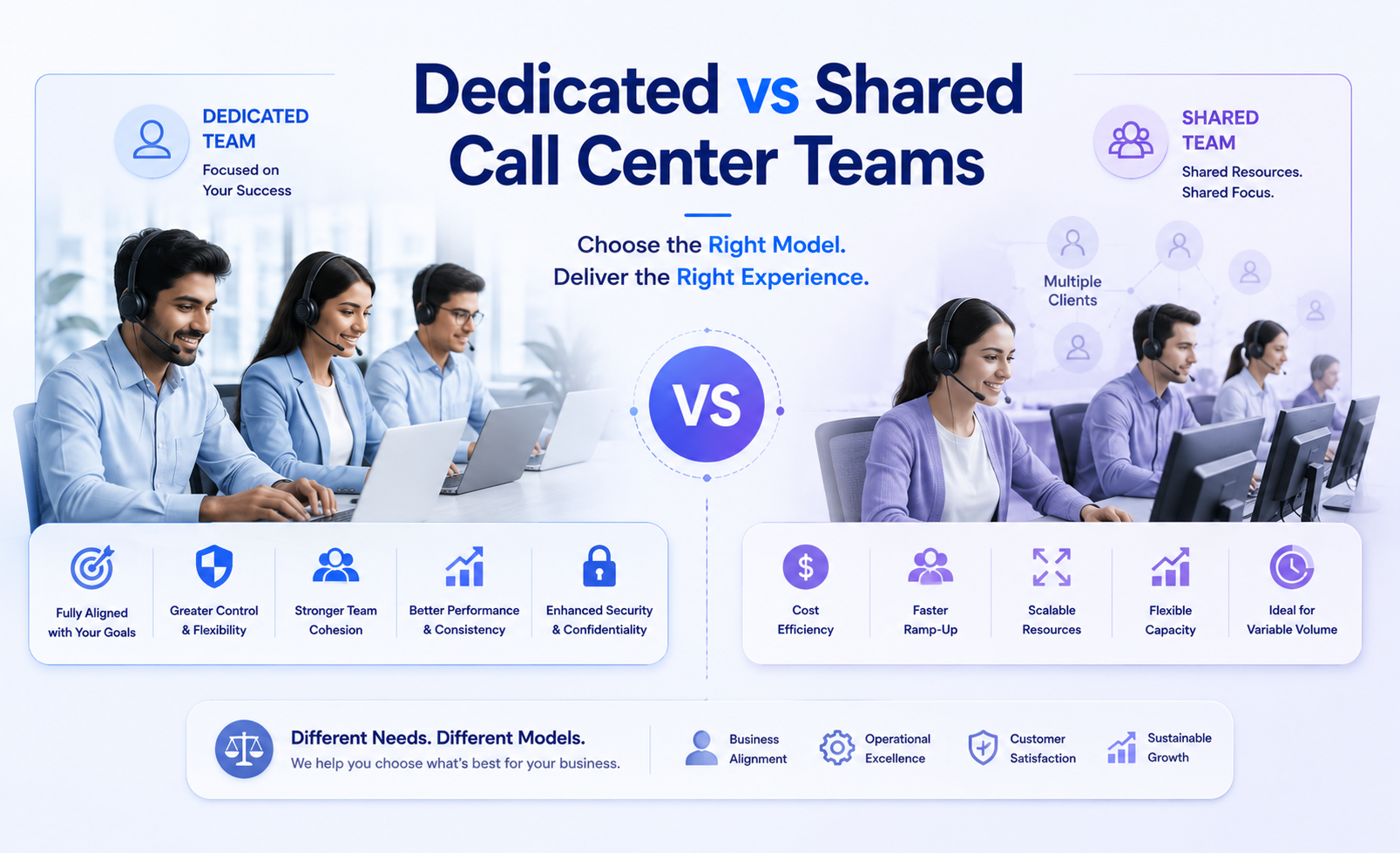
The economics usually favor outsourcing once volume becomes meaningful or spiky. Building in-house means recruiting, training, equipping, and managing staff, plus carrying that cost through quiet periods. An outsourcing partner already has the agents, tools, and processes in place, converts fixed costs into variable ones, and provides elasticity that an internal team can’t match affordably.
That said, the decision isn’t only about cost — it’s about whether a partner can protect your brand voice and customer relationships. The best arrangements preserve the intimacy customers expect from a D2C brand while adding the scale and coverage of a professional support operation. Evaluate the trade-off on cost per resolved ticket and CSAT rather than headline rates. Our in-house vs outsourced call center comparison breaks down the full analysis.
How to Choose a Support Partner for Your Consumer Brand
The right partner for a D2C or subscription brand should offer:
- Consumer-brand and ecommerce experience. Familiarity with order management, returns, and subscription workflows — not a provider that mainly staffs unrelated accounts.
- Tool integration. Hands-on experience with your helpdesk (such as Gorgias or Zendesk) and subscription platform, so they work inside your stack rather than building a parallel one.
- Brand-voice fidelity. The ability to represent your tone authentically, since customers should never feel handed off to a generic call center.
- Retention capability. For subscription brands specifically, agents trained to handle cancellations as save opportunities, not just process them.
- Seasonal flexibility. Proven ability to ramp for BFCM and other peaks and scale back down.
Transparent metrics and SLAs. Outcome-based commitments (response time, resolution time, CSAT) with regular reporting and calibration. - Data security. Sound handling of customer and payment-related data, with relevant security practices in place.
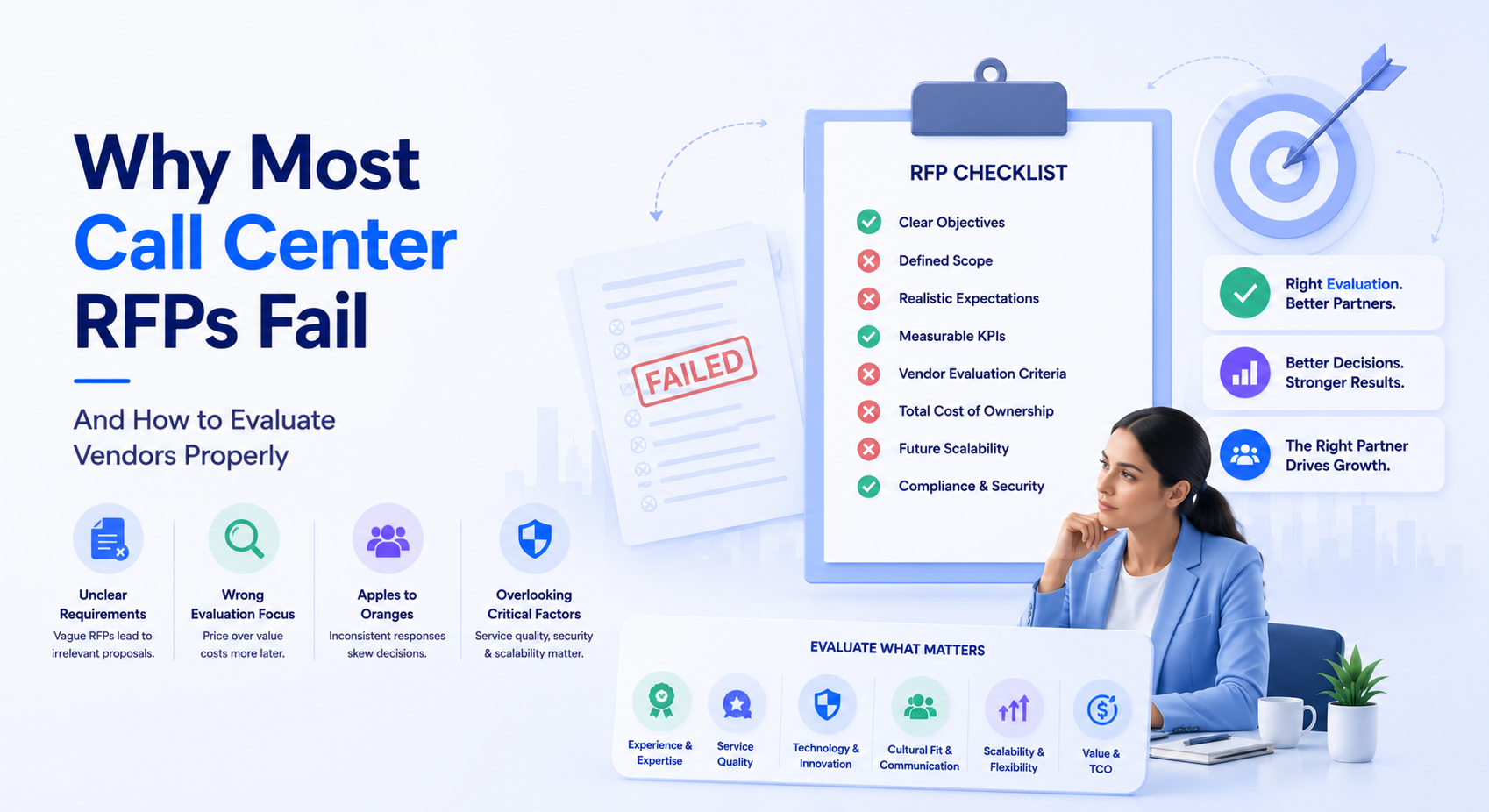
For a complete evaluation framework, see our guide on how to choose a call center outsourcing partner.
How Octopus Tech Supports Consumer Brands
Octopus Tech has delivered outsourced voice and non-voice support from India since 2011, including customer service, chat, and email support for e-commerce and consumer brands. With multichannel coverage and the ability to scale for seasonal peaks, Octopus Tech is positioned to operate as an extension of a D2C or subscription brand’s team. If you’re weighing the build-versus-buy decision, our guide on how live chat outsourcing boosts online sales shows how outsourced support can drive revenue, not just resolve tickets.
Frequently Asked Questions
What is customer support outsourcing for D2C brands?
It’s hiring an external provider to handle a direct-to-consumer brand’s customer service — order questions, returns, refunds, subscription management, and more — operating under the brand’s tools, voice, and SLAs as a seamless extension of the in-house team. To customers, it feels like contacting the brand directly.
Why is support so important for subscription brands?
Subscription businesses depend on retention, so support directly affects recurring revenue. A well-handled issue or cancellation request can save a customer (through a pause, downgrade, or resolution), while a poor experience triggers a cancellation that erases all future revenue from that customer plus the cost of acquiring a replacement.
How does outsourcing help during Black Friday and Cyber Monday?
Outsourcing lets a brand scale support capacity up for the BFCM surge and back down afterward, so it pays for extra support only during the peak rather than carrying year-round staff. The key is briefing the partner on expected volume and policies in advance so quality holds even at peak demand.
Should a D2C brand build an in-house team or outsource?
Once volume becomes meaningful or highly seasonal, outsourcing is usually more economical because it converts fixed staffing costs into variable ones and adds elasticity. The decision should also weigh whether the partner can protect your brand voice and customer relationships — the best partners deliver both scale and brand intimacy.
Can outsourced agents represent my brand voice authentically?
Yes, with the right partner. The brand defines its tone, scripts, and policies, and the provider trains agents to apply them consistently using the brand’s own email, chat, and helpdesk tools. Done well, customers can’t tell the difference between in-house and outsourced support.
What tools should a D2C support partner work with?
A capable partner integrates with your existing stack rather than forcing a parallel system — common tools include helpdesks like Gorgias or Zendesk and subscription platforms used by recurring-revenue brands. Confirm tool compatibility during evaluation so the team operates inside your workflows from day one.
How do I measure outsourced support performance?
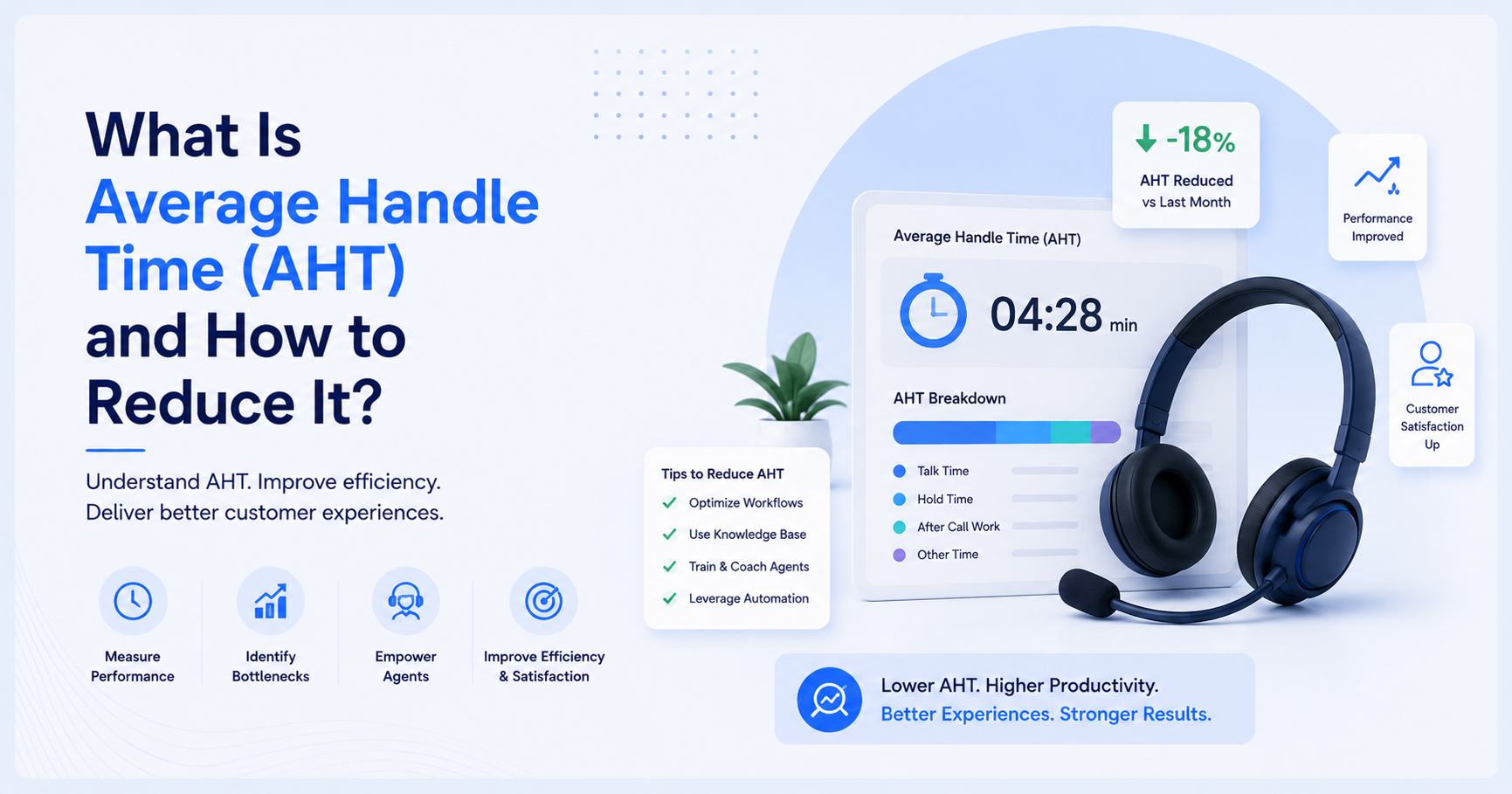
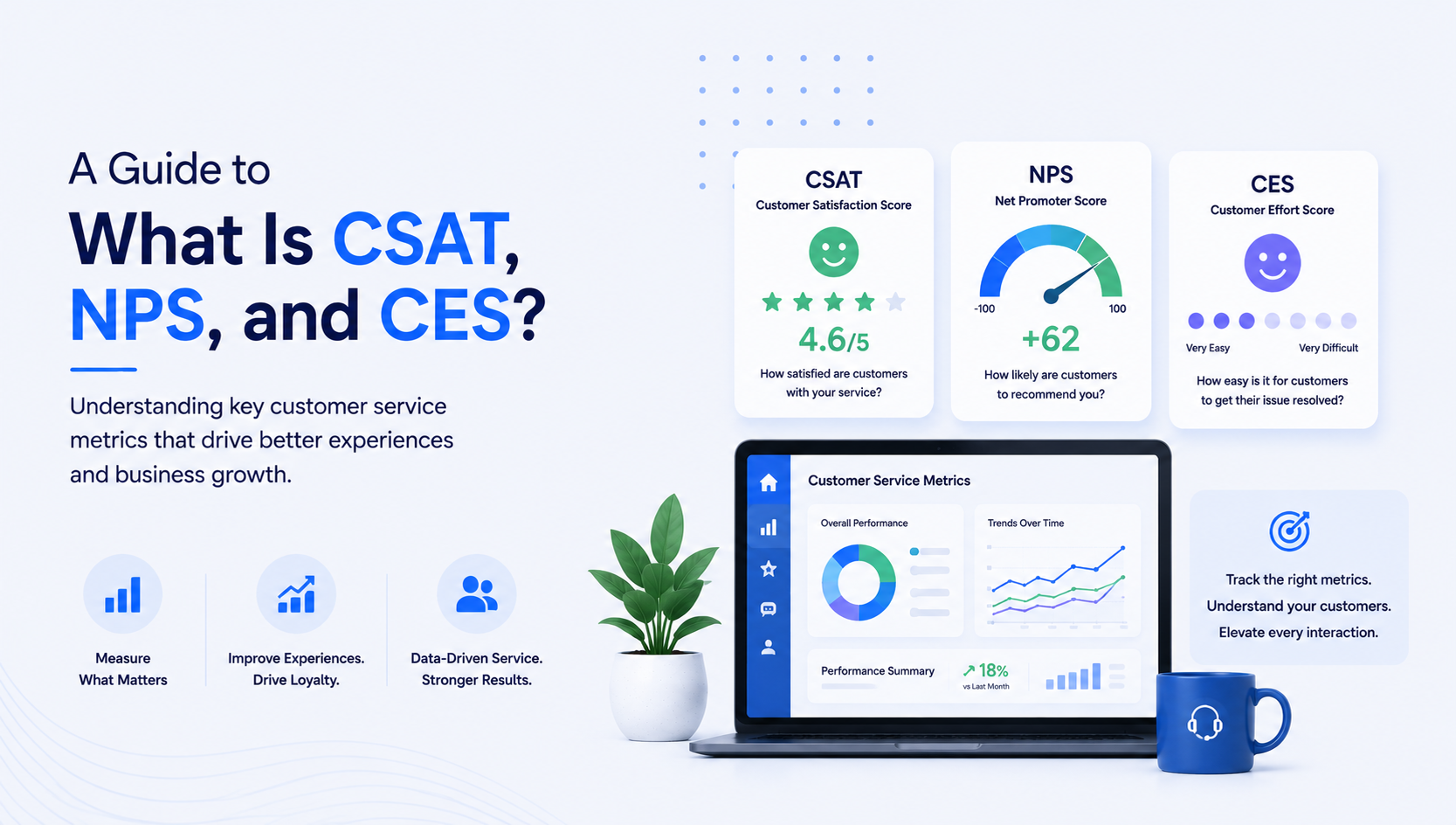
Track outcome metrics rather than just hourly cost: cost per resolved ticket, first response time, resolution time, CSAT, and contact reasons. Regular reporting and calibration calls keep quality aligned, and for subscription brands, retention or save rates on cancellation requests are an important additional measure.
Turning Support Into a Growth Lever
For D2C and subscription brands, customer support is never just a cost center — it’s the front line of brand experience and the engine of retention. Outsourcing the right way lets these brands deliver fast, on-brand, around-the-clock support, absorb seasonal surges affordably, and turn cancellation moments into saves, all without building and carrying a large internal team. The key is choosing a partner who works inside your tools, protects your voice, and is measured on the outcomes that actually move recurring revenue.
Octopus Tech provides outsourced multichannel support from India for e-commerce, D2C, and consumer brands. If you’re exploring how to scale support while protecting your brand and retention, get in touch for a no-obligation conversation about your requirements.